A Parent’s Guide to Talking About Death
Honest, age-appropriate guidance for one of parenting's most challenging conversations
If you’d prefer a version to download or print - you’re welcome to save the PDF version here.
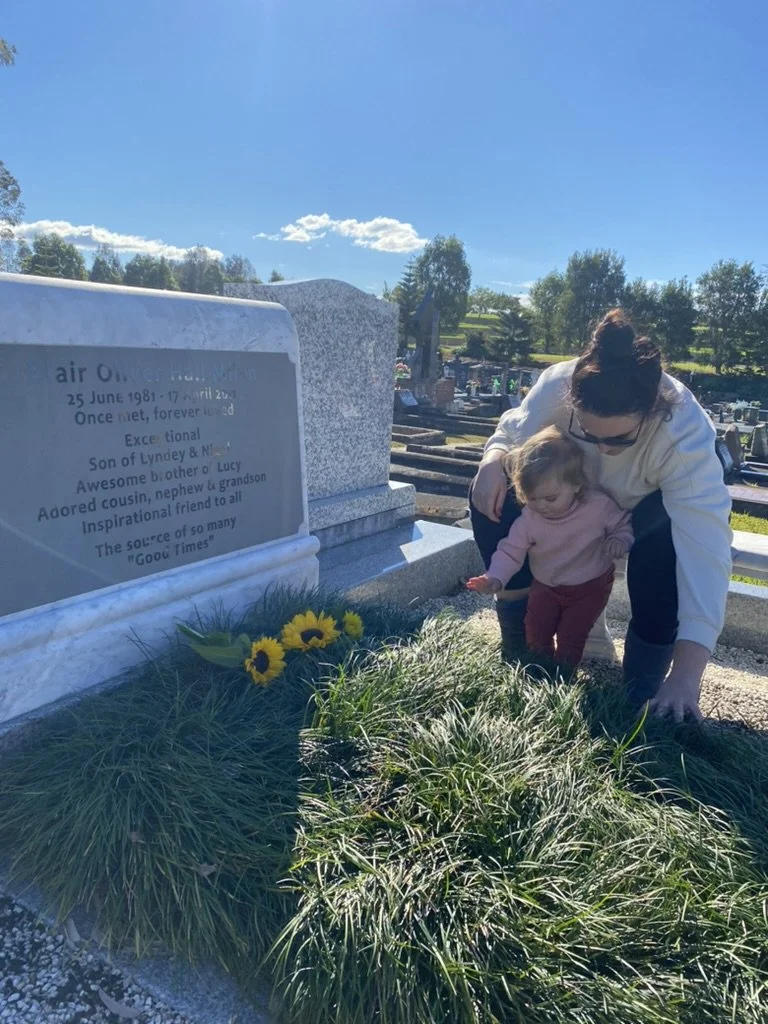
My daughter & I lovingly tending to the grave of our beloved friend.
When death touches a family - whether it's the loss of a grandparent, a beloved pet or someone closer still - our instinct is often to protect our children from the pain. But as a parent myself, here’s what I’ve learned after more than a decade accompanying the dying and supporting bereaved families: children are far more perceptive than we give them credit for and our silence can be more confusing than our honest words.
If you’re anticipating or experiencing a death in the family and feeling unsure, tearful, overwhelmed - or worried about saying the wrong thing to your kids - you’re not alone. This gentle guide offers practical support for talking to children about dying, death and grief. Not perfect answers, but grounding language, gentle reassurance and helpful examples to support you, your little ones and your grief.
Why Honesty Matters
Talking about death doesn’t take away innocence. Avoiding it often does.
Death is not something we “introduce” to children. More often than not, they already sense it - through physical changes, mood shifts, hushed phone calls, cancelled plans, tears held back. When we don’t name what’s happening, children often fill the gaps themselves, and their imaginations can be far more frightening than reality. Our silence, however well-intentioned, can leave children feeling isolated and confused.
Where To Begin: start with what they already know
Before launching into an explanation, ask your child what they've noticed or what they think is happening. This helps you understand their perspective and correct any misunderstandings gently.
Choosing Your Words
The language we use matters enormously. Children are literal thinkers, especially younger ones. The euphemisms we use as adults to soften death can create real confusion and even fear in children. Children process information very differently to adults. They think literally. They listen closely. And they take their cues from us. This is why clarity matters. You don’t need to explain everything. But what you do say needs to be true.
Language that helps:
“Their body and head have stopped working, and they have died.”
“Death means we won’t see them again, but we can still remember and love them.”
“It’s okay to feel sad, confused, angry - or not much at all.”
Language to avoid:
“They went to sleep.”
“We lost them.”
“They went away.”
“God needed another angel.”
These phrases are often said with love, but they can create fear and confusion. Children may become frightened of sleep, separation, hospitals, or believe the person might come back if they’re just found again.
When Death Is Anticipated
If someone in your family has a terminal illness, you have an opportunity - as painful as it is - to prepare your child gently. This doesn't mean burdening them with medical details, but helping them understand that someone they love is very ill and will soon die.
Children who are prepared for a death, who have the chance to say goodbye in their own way, often cope better in the long term. They may want to make cards, spend special time with the person, or simply know that it's coming. When someone is actively dying, children often sense the change before anyone explains it. Clear, loving language helps them feel safe and included.
Naming what is happening
“Their body is getting very tired, and it’s starting to slow down.”
“The doctors have told us that their body is not going to get better.”
“They are dying, which means their body will stop working soon.”
Using the word dying may feel confronting — but gentle honesty builds trust.
Explaining what they might notice
“You might notice they are sleeping a lot.”
“They may not talk very much anymore.”
“Their breathing might sound different or slower.”
“They may not eat or drink much.”
“Even if they don’t respond, they can still feel love and comfort.”
This prepares children for changes without frightening detail.
Reassuring about pain and comfort
“The doctors and nurses are helping to make sure they are comfortable.”
“They are not in pain.”
“If something feels uncomfortable, people are there to help.”
Avoid graphic descriptions. Focus on care and comfort.
Talking about time and uncertainty
Children often ask when. You can say:
“We don’t know exactly when they will die.”
“It might be very soon, or it might take a little while.”
“We will tell you if things change.”
Avoid false timelines. Predictability builds safety.
Preparing for death
“When their body stops working, they will die.”
“That means they won’t breathe anymore, and their heart will stop.”
“They won’t feel anything once that happens.”
Clear, simple language helps children understand what death means.
Saying goodbye
“You can say goodbye in your own way.”
“You can talk to them, even if they don’t answer.”
“You can hold their hand, draw them a picture, or just sit quietly.”
“You don’t have to say goodbye if you don’t want to.”
Choice matters.
Reassuring about safety
Children may worry about themselves or others.
“You are safe right now.”
“There will always be grown-ups to look after you.”
“If you have worries, you can tell me.”
Reassurance without promises builds trust.
If a child asks directly: “Are they going to die?”
Answer honestly:
“Yes. Their body is dying, and they will die.”
Follow with reassurance:
“We are here with you.”
“You are not alone.”
”We can’t catch the illness that Grandma has, we are safe. It’s safe to be with her as she dies.”
When Death Happens
When death happens, children need clarity more than comforting phrases. In moments of shock or sadness, simple, honest words help them understand what has changed - and what hasn’t. This is not the time for metaphors or softening the truth. Clear language builds trust, reduces fear and helps children make sense of something that can otherwise feel frightening or confusing.
What matters most is that children hear the truth, feel held and know they are not alone. The examples below offer gentle ways to name death clearly, reassure children about their safety and gives permission for whatever feelings arise.
Some helpful examples...
"Grandma has died. That means her body stopped working and she won't be with us in person anymore." Clear, honest, and age-appropriate. It acknowledges the finality while being gentle.
"When someone dies, their body stops working completely. They can't feel pain, or cold or hunger anymore." This can help children who worry about the physical experience of death.
"It's okay to feel sad. I feel sad too. We can feel sad together." Validates their emotions and shows them they're not alone.
"Nothing you did made this happen. Sometimes people get very sick or very old, and their bodies stop working." Children often blame themselves. Reassurance is essential.
When Death Is Sudden Or Unexpected
When a death happens suddenly - through accident, suicide or an unexpected medical event - the ground can feel as though it drops away beneath a family. For children, sudden death can be especially unsettling. There has been no time to prepare, no gradual “slowing down” of the body. The world can suddenly feel unpredictable and unsafe.
In these moments, clarity, steadiness and repetition are essential.
Be clear about what happened - without unnecessary detail
Children need truthful information, shared in simple, age-appropriate language.
You might say: “Something unexpected happened, and their body stopped working. They died.”
If a child asks how it happened, answer honestly — but briefly:
“There was an accident.”
“Their body stopped working very suddenly.”
“They died very quickly.”
Avoid graphic detail. Children do not need images to understand the truth.
Expect shock, disbelief, and repeated questions
Children may ask the same questions again and again:
“Are you sure?”
“But they were fine yesterday.”
“Can this happen to me?”
This is how their minds try to make sense of sudden change.
Answer calmly and consistently:
“Yes, it’s true.”
“I know it feels hard to believe.”
“You are safe right now.”
Repetition builds safety.
Address fears about safety directly
Sudden death often activates fear about bodies, illness, and accidents.
You might say:
“Most people do not die suddenly.”
“What happened was very unusual.”
“There are lots of people whose job it is to keep us safe.”
Avoid dismissing fears. Name them, then gently ground them.
Reassure children they are not to blame
After sudden deaths, children often wonder if something they did - or didn’t do - caused it.
Say this clearly, more than once:
“Nothing you did made this happen.”
“You are not responsible.”
“This was not your fault.”
Even if they haven’t voiced the fear, reassurance matters.
Grief may come out sideways
When death is sudden, children’s grief may show up as:
- anger
- fear
- anxiety
- clinginess
- nightmares
- regression
This is a nervous system responding to shock. Offer extra closeness, predictability and reassurance. Keep routines where possible. Name what you see: “A lot changed very suddenly. That can feel really scary.”
A gentle reminder for adults
Sudden loss is devastating. If you feel unsteady, that makes sense. Children don’t need you to be composed or certain - they need you to be honest, available and willing to keep talking.
Let Their Questions Lead The Way
One of the most surprising things for adults is how matter-of-fact children can be about death.
They may ask:
“What happens to their body?”
“Will you die too?”
“Who will look after me?”
“Does it hurt?”
“Where do they go?”
It’s okay to say:
“I don’t know.”
“Different people believe different things.”
“What do you think happens?”
You don’t need to rush to fill the silence. Sometimes children ask one small question, then run off to play. That doesn’t mean they aren’t affected. It often means they’re processing in age-appropriate ways.
Age Guide: Meeting Them Where They Are
How children understand death changes as they grow. A three-year-old will process this very differently from an eight-year-old. Here's a rough guide to help you pitch your explanation appropriately:
Under 5 years
Very young children don't understand that death is permanent. They may ask repeatedly when the person is coming back, and that's completely normal. Be patient. Answer gently each time. Keep explanations simple: "Nana's body stopped working. She can't come back, but we can remember her and talk about her whenever we want."
5 to 9 years
Children this age are beginning to understand that death is final, but may see it as something that happens to other people - not to them or their parents. They might ask very practical questions: "What happens to the body?" "Where do dead people go?" Answer honestly but simply. You don't need to have all the answers - it’s okay to say "I don't know, but here's what I think..."
9 to 12 years
Older children understand death more fully and may have more complex emotional responses. They might worry about their own mortality or yours. They need space to ask questions and express feelings, but they also might not want to talk at all - and that's okay too. Let them know you're there when they're ready.
There's no 'right' reaction
Some children cry. Some go quiet. Some ask to play immediately afterwards. Some seem fine for weeks and then break down. All of these responses are normal. Grief doesn't follow a script, especially for children.
A Final Thought
Death is one of life’s great initiations.
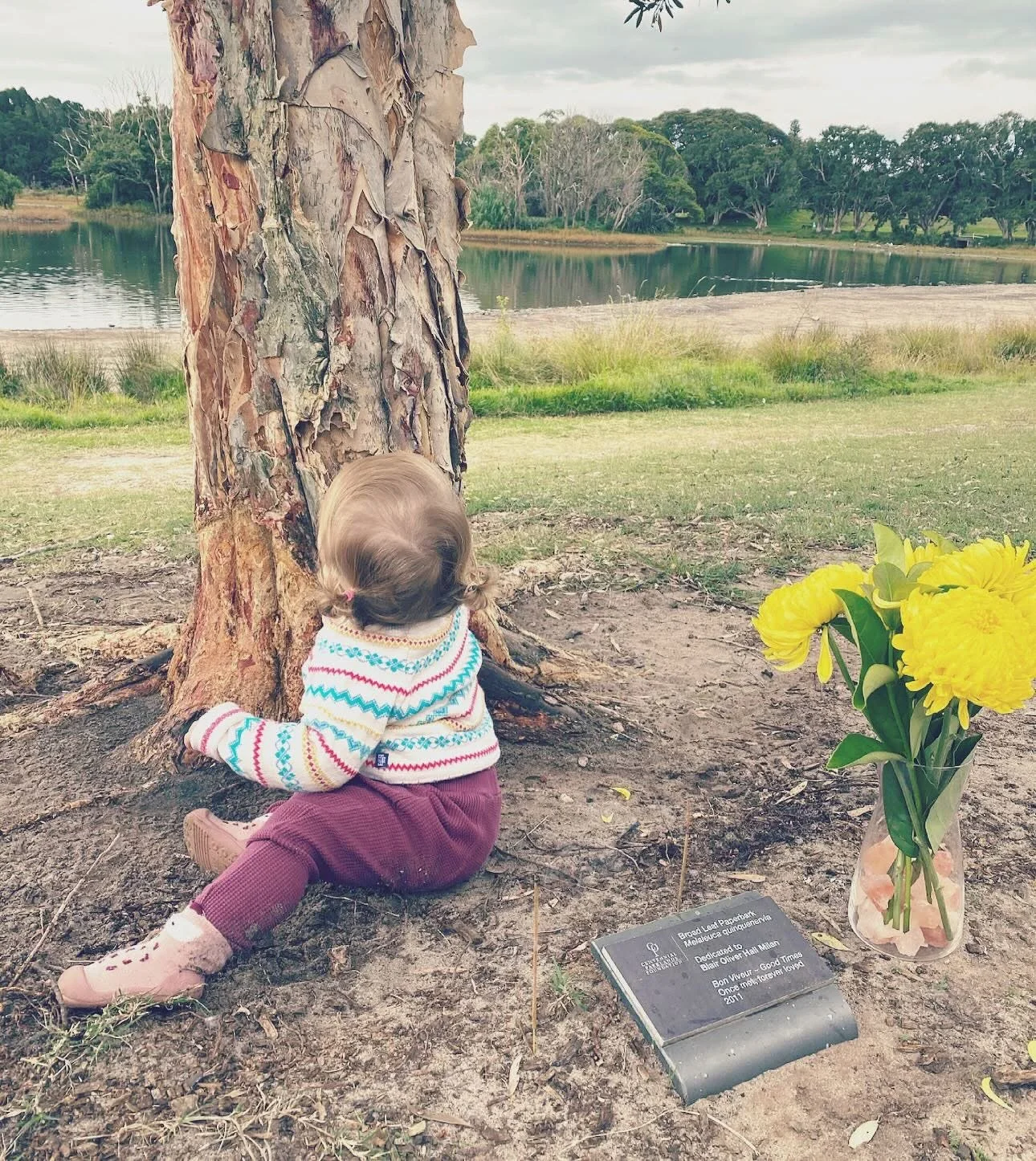
For many children, the first death they encounter becomes a quiet reference point - shaping how they understand loss, love, and what it means to be human. How we walk beside them in this moment matters more than we often realise. The way we speak about death now can influence how our children meet grief again in the future - including, one day, the death of those they love most deeply. Even our own.
This is not something to fear. It is an extraordinary opportunity. By naming death honestly, without secrecy or shame, we plant an early seed: that death is something every living being will move through - and that it is our love and kindness that endure beyond it.
The older we get, the more we are forced to truly acknowledge that death is part of life. By talking openly with our children about death - by not hiding our grief or pretending it isn't happening - we teach them something profound. We teach them that love doesn't end when someone dies. That sadness is not something to fear. That they can survive hard things, and that they don't have to do it alone.
These conversations are hard because they matter. You don’t need perfect words. You need presence, honesty and love. If your voice shakes - that’s okay. Children don’t need you to be fearless. They just need you to be real.
Looking After Yourself
I can't write about supporting children through grief without acknowledging this: you're grieving too. And it's incredibly hard to hold space for someone else's pain when you're carrying your own. Please be gentle with yourself and lean into the support around you. You don't have to be perfect. You don't have to have all the answers. Saying "I don't know" or "I'm feeling sad too" is not a failure - it’s honest, and children respond to honesty.
If you're struggling, reach out for support. Talk to friends, family or a professional. Looking after yourself isn't selfish - it’s necessary. We were never meant to do this alone. x
You might also find these helpful…


As a funeral director, I’ve come to understand that there are moments in grief that catch us off guard. One of those moments is when I knock on your door holding the ashes of your loved one. This quiet exchange is often more emotional than people expect. This gentle guide offers 3 simple ways to allow this moment to feel supported.