Late last year, I sat with a family who were preparing to farewell their father. He had chosen Voluntary Assisted Dying. His death would come on a Thursday, at home, with the people he loved most gathered around him.
His grandchildren were five and eight years old.
Their mother asked me, quietly, in the kitchen while the kettle boiled: "What do I say to them?"
It is one of the most common questions I receive. And one of the most tender.
That’s why I’ve create this simple guide for adults supporting children when someone they love is choosing Voluntary Assisted Dying.

Starting with what they know
Children often know more than we realise. They may have overheard adults talking, noticed that someone is very sick or sensed that something is changing, even if nobody has explained it yet. As we explore in the Talking to Children About Death & Dying guide, the things children imagine can sometimes be much scarier than what's actually happening.
Children don't need to be kept outside conversations about death and funerals to protect them. Often, the safest place for them is right there with us, included in honest, age-appropriate conversations. This is especially important when someone they love is choosing voluntary assisted dying (VAD).
Start by finding out what they already know, what they're wondering about and what they might be worried about. Use simple, honest words, and remember: you don't need to tell them everything at once.
You might say:
"I want to tell you what's happening because I don't want you to have to wonder about it on your own."
And then see what they already know.
Try asking:
What do you know about what's happening?
Is there anything you've been wondering about?
Is there anything you're worried about?
What have you heard people talking about?
You might be surprised by what they say.
What is VAD?
VAD stands for Voluntary Assisted Dying.
It's a process that allows a person with an advanced illness who meets certain legal requirements to choose to end their life with medical assistance. The laws and steps involved depend on where the person lives.
When explaining VAD to children, you might wish to use simpler words. It's important they understand that the person must make this choice for themselves. Nobody else can make the decision for them. There are also rules and steps that must be followed before VAD can happen.
You might say:
“VAD is when someone who is very sick can choose to end their life with help from doctors.”
“It's their choice. Nobody else can make this decision for them.”
“There are rules about who can have VAD, and doctors check that the person meets those rules.”
Why would someone choose VAD?
This is often one of the first questions kids ask.
"Why do they want to die?"
"Don't they want to stay with us?"
"Why can't they just keep going?"
These are big questions. And there's one really important thing to help children understand: choosing VAD doesn't mean someone doesn't love their life or the people in it.
Someone who chooses VAD may still really want to live. They may love their family, wish they could have more time and hope they could get better. But their illness may be causing them a lot of pain or suffering, and they may not be able to get better.
It can be hard to understand, but both things can be true. Someone can want to live and still choose VAD.
They aren't choosing between VAD and a healthy life. They're making a choice about the end of their life while living with an illness that is causing them great suffering.
You could say:
“They don't want to die because they don't love us. They may wish they could stay alive, but their sickness means they can't get better.”
“VAD is a choice about how and when they die, when they are already very sick and nearing the end of their life.”
Is it because of me? Can I change their mind?
Children might worry that they have done something wrong, made the person sick or could somehow change what is happening.
They might think, If I ask them not to, maybe they'll change their mind.
You could say:
“This isn't because of anything you've done. You didn't make them sick, and you can't make their illness go away.”
“It's okay to tell them how you feel. You can tell them you don't want them to die, and that you love them.”
“But you don't have to make them better or convince them to change their mind. This isn't your responsibility.”
What happens when someone has VAD?
Choosing your words about how it happens
Children take words literally. If we tell them "the medicine made Grandma's body stop working", some will quietly start worrying about the medicine in the bathroom cupboard. So it can help to leave the word "medicine" out, and instead describe what's actually going to happen.
In NSW, a person can take the voluntary assisted dying substance themselves as a liquid, or a doctor or nurse can give it through a small tube in their arm. Children often cope better with that real picture than with a vague word.
You might say:
"The doctor will give Grandma a special liquid. It will make her body and mind stop working, and then she will die."
"The doctor will put something through a little tube in Pop's arm. It will make his heart and his breathing slow down and stop, and then he will die."
Sometimes the word "medication" will come up anyway, because children overhear adults talking. That's okay. You can gently draw a line between this and everyday medicine:
"It's not like the medicine you have when you're sick. It's made just for this. Only special doctors can give it, and only when a grown-up who is very, very sick wants its - and the doctors agree to give it to them."
That explanation does a lot of quiet work. It tells your child this can't happen to them by accident, and it can't happen to anyone who hasn't chosen it.
A couple of other things to keep in mind.
Try not to say "go to sleep." It can make bedtime frightening for some kids.
And use the word "die." It can feel hard to say out loud, but it's the clearest and kindest word we have. Children usually handle the truth far better than they handle confusing euphemisms like “passed away.”
What if I want to see them after they have died?
Some children want to see the person after they have died. Others don't, and some aren't sure. All of these choices are okay. Children can ask questions before deciding, and they don't have to make up their minds straight away.
You could say:
“After they die, their body will still be there for a while. You can decide whether you'd like to see them, and you don't have to decide right now.”
If a child does want to see their person, it can help to explain what they might notice. Their body won't breathe or move, and they won't be able to talk. Their face or body may also look a little different.
Keep your explanation simple and honest, and let the child decide how much they want to know.
After the person dies
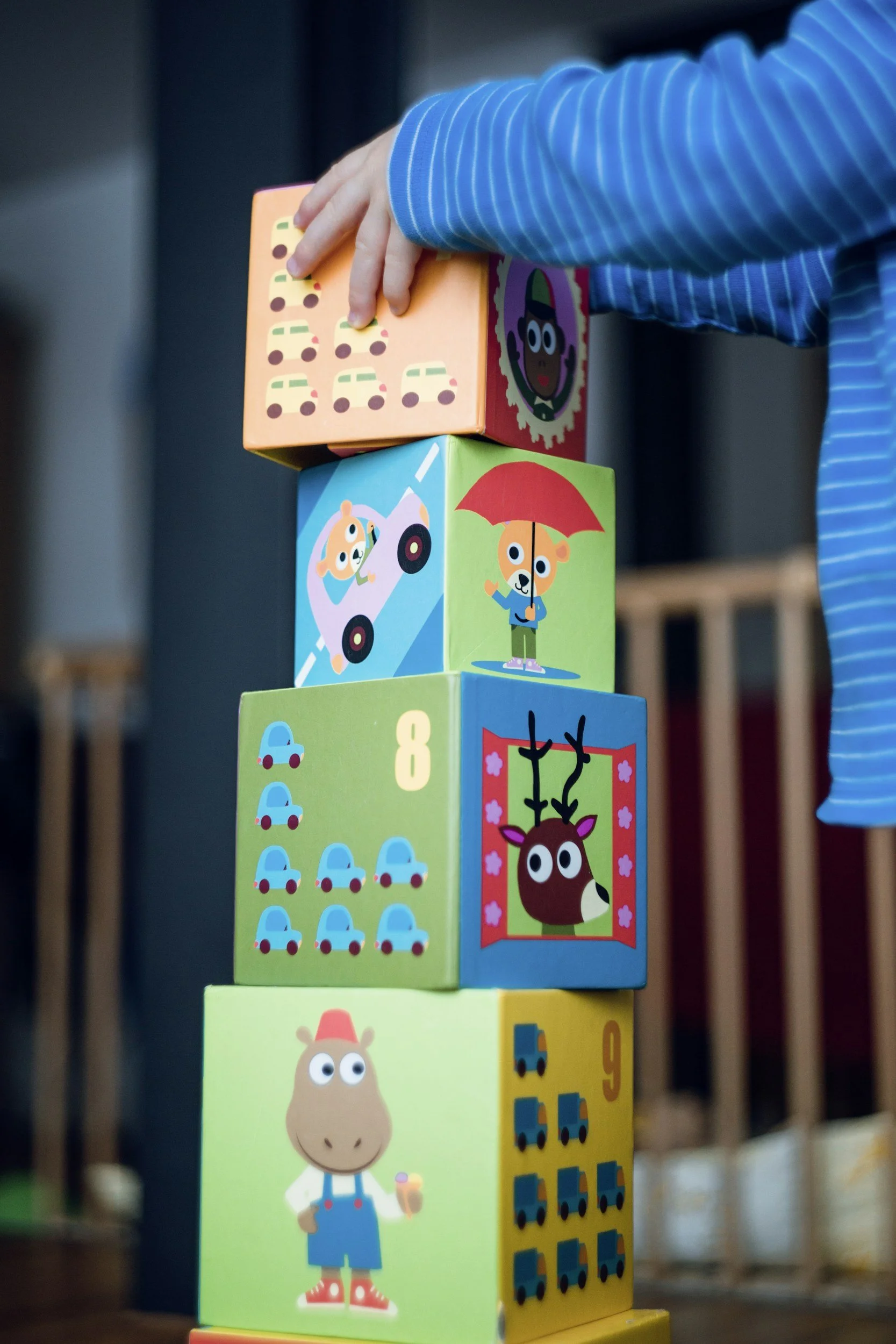
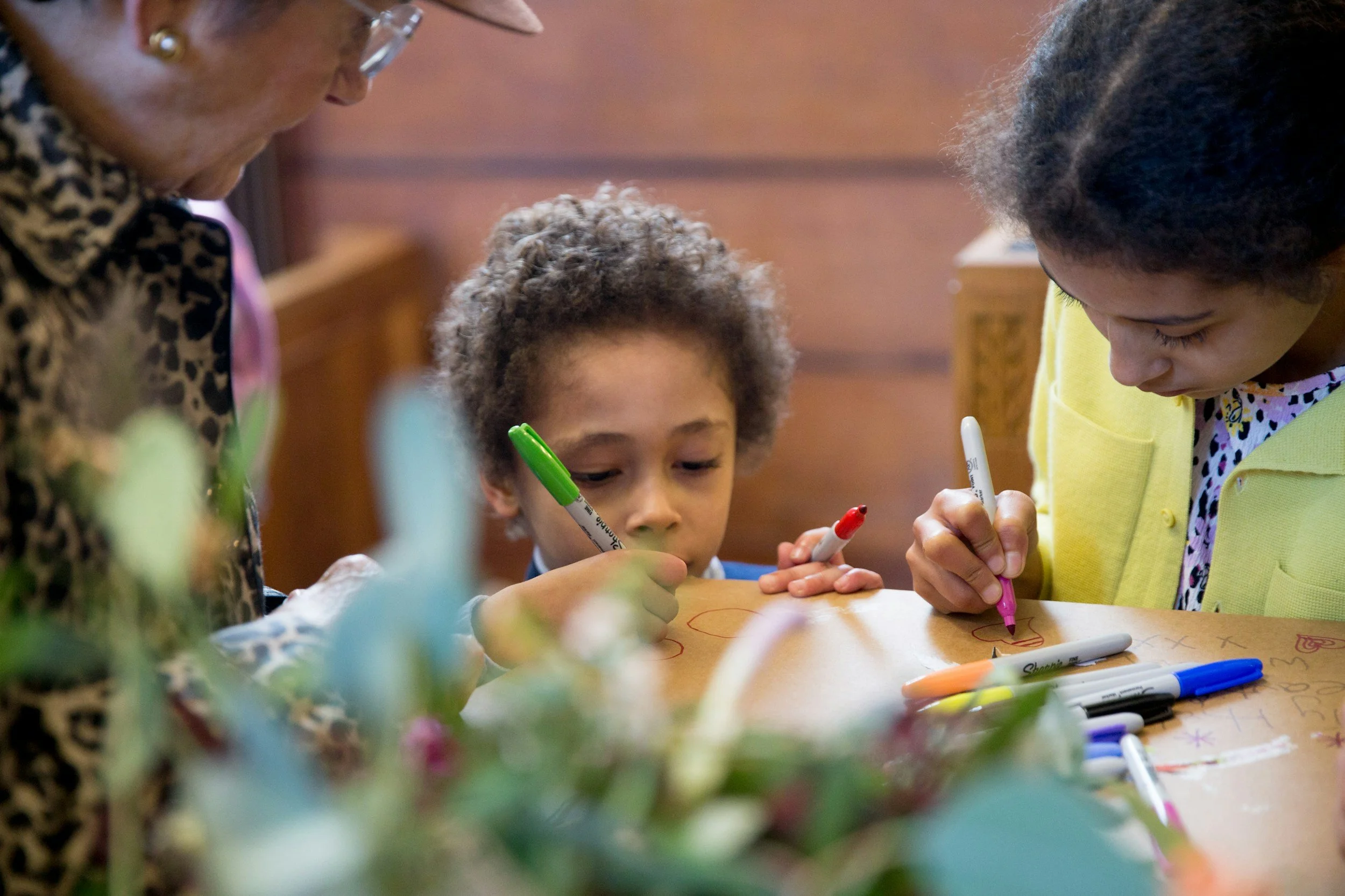
When someone dies, there can be a lot happening at once. People crying, phone calls, visitors dropping in and a funeral to plan. And alongside all of that, ordinary life keeps going. Your child might still has school and homework. They still need to eat. They might want to see their friends, play games, ride bikes. Some children may want to talk about the person a LOT. Others may not want to talk about them at all. Many might swing between the two, sometimes within the same afternoon.
All of this can be part of grief.
It can be unsettling to some adults to see a child playing happily an hour after hearing big news. But that doesn't mean they don't care or haven't understood. Children often grieve in short bursts, then step back into their ordinary lives for a while. It's often one of the ways they cope.
What often helps most is keeping the door open. Let them know they can come to you with questions, feelings or memories whenever they're ready, and that there's no right way to grieve.
You can also help them find ways to remember the person. You might look at photos together, listen to their favourite music, cook their favourite food or visit somewhere special. Your child might like to keep something that belonged to them, write them a letter, make something, create a special spot for them in the garden or set a plave for them at the table for family dinners. They might also want to take part in the funeral or memorial.
Children often have their own ideas about what feels right, so ask them what they'd like to do. You might be surprised by what they come up with. I know personally I’ve learnt so much from the wisdom of grieving kids.
When there’s disapproval within the wider family
Families don't always agree about VAD. One person might support the decision. Someone else might be angry about it. Someone might not understand it. Someone might not want to talk about it at all. Kids might pick up on this tension and have questions…
You could say:
“You might have noticed that people in our family feel differently about how Pop died. Some people understand why he made this choice, and others find it really hard to accept.”
“People can feel angry, sad or confused when someone they love chooses VAD. Sometimes people disagree because they see things differently or because they're hurting.”
“You can love someone and still feel upset about their decision. And you can understand why they've made this choice and still wish things were different.”
“You don't have to choose sides or work out who's right. You can ask questions and talk to me about how you're feeling.”
A few things to remember
You don't have to explain everything at once.
Give them enough information for right now.
Don't be afraid of simple words.
"Die" and "died" are often clearer than euphemisms like "passed away" or "gone to sleep".
Follow their lead.
If they want to stop talking, stop.
If they want to ask another question, answer it.
Let them have fun.
Children don't grieve in a straight line.
Playing, laughing and having fun don't mean they aren't sad.
Let them change their minds.
They might want to be there.
Then they might not.
That's okay.
You don't need all the answers.
Sometimes the best answer is:
"I don't know. Let's find out."
One last thing
Children don't need us to make death less real. They need us to make sure they don't have to face it alone. You don't need the perfect words. You just need to be willing to listen. To answer honestly. To sit beside them. To come back to the conversation when they're ready. Talking about death with children is not a single conversation you have and then put away. It is an ongoing one, woven through the weeks and months that follow.
In the kitchen that day, I told that mother something I still believe deeply: children can carry hard things when they are not carrying them alone. The conversations you have now, however imperfect and stumbling they may feel, are an act of love. They are how you stay together when life gets hard.
About this guide
This guide is for Australian adults supporting children when someone they love is considering or choosing Voluntary Assisted Dying. This guide is intended to help adults have conversations, not replace advice from the person's healthcare team or appropriate grief and counselling support.
About Amy
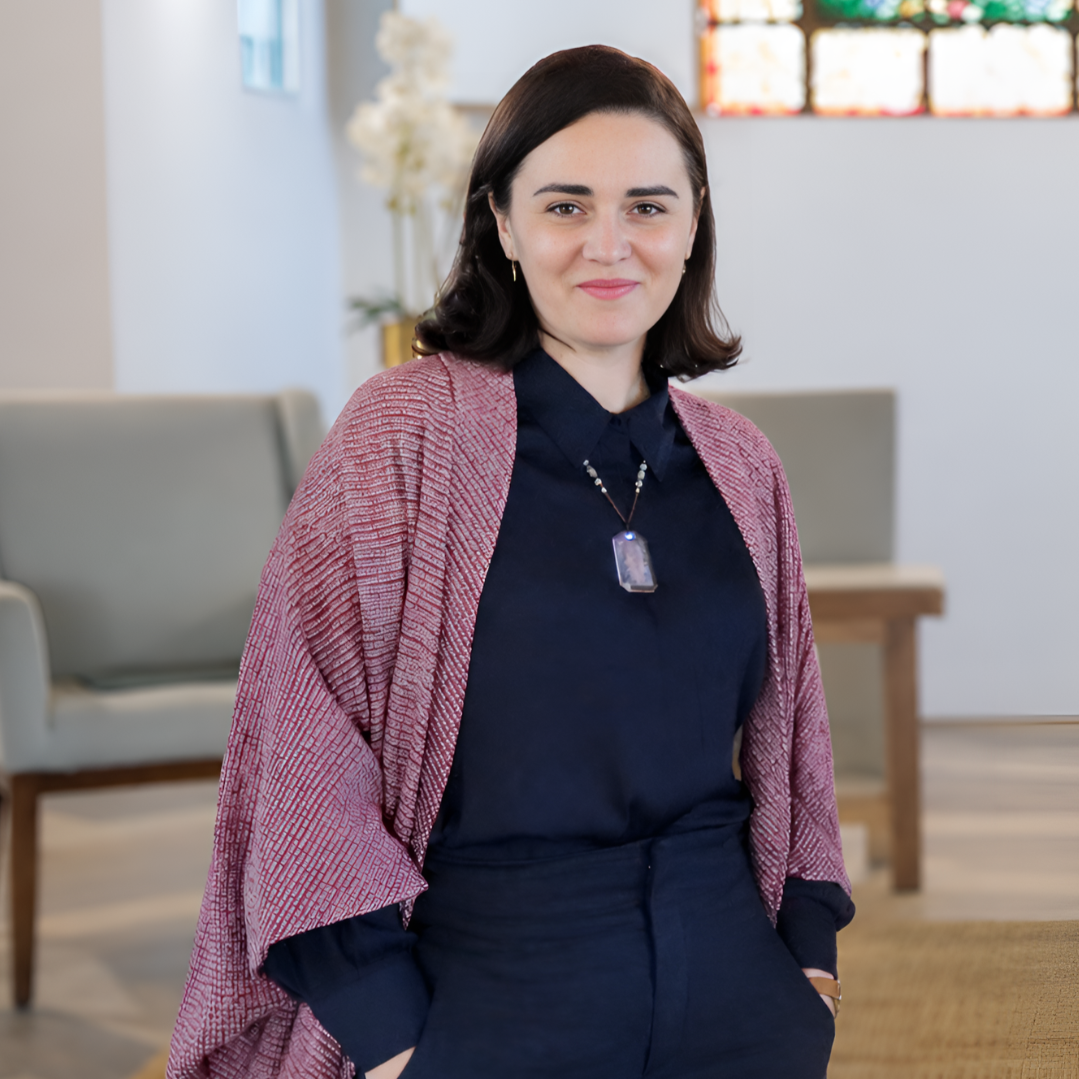
Amy Firth is an interfaith minister, spiritual counsellor and funeral director based in the Blue Mountains, Australia. She supports families through death, grief and life transitions with creativity, tenderness and care, whilst also raising her own six-year-old daughter.
Drawing on more than ten years of experience in counselling, end-of-life care and death care, Amy is passionate about creating resources that address the common gaps she encounters within community death literacy and help families feel more prepared and informed around death and dying.
