How To Start A Death Café
It all started when…
Twelve years ago, I attended my very first Death Café in London - hosted by the movement's founder, Jon Underwood. That experience changed everything. Now, as the host of the Blue Mountains Death Café on Dharug and Gundungurra Country in Australia, I’ve spent the past year creating a warm, welcoming space for our community to talk openly about death, dying and what it means to be human. To celebrate our first birthday in March 2026, I’m gifting this class freely - to anyone, anywhere in the world, who feels called to start their own Death Café.
AMY’s TEN TIPS TO STARTING YOUR OWN DEATH CAFÉ
Know Your Roots: Visit deathcafe.com and read their guidance. A Death Café is not a grief group or workshop - it's an open, agenda-free conversation. Knowing the difference helps you hold it well.
Free. Always: Death Café is always free of charge. This is non-negotiable. It's what makes it genuinely accessible to everyone in your community.
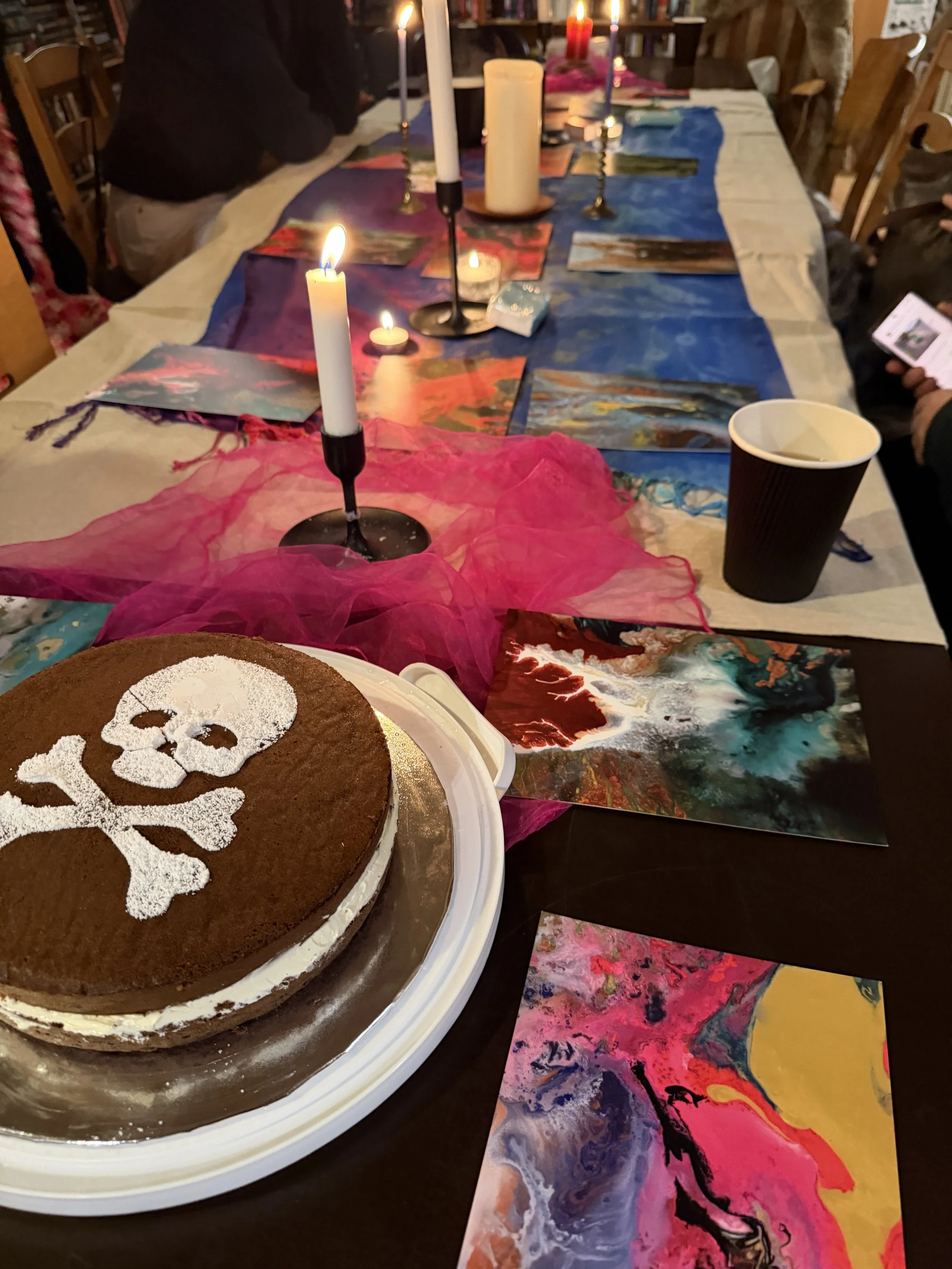
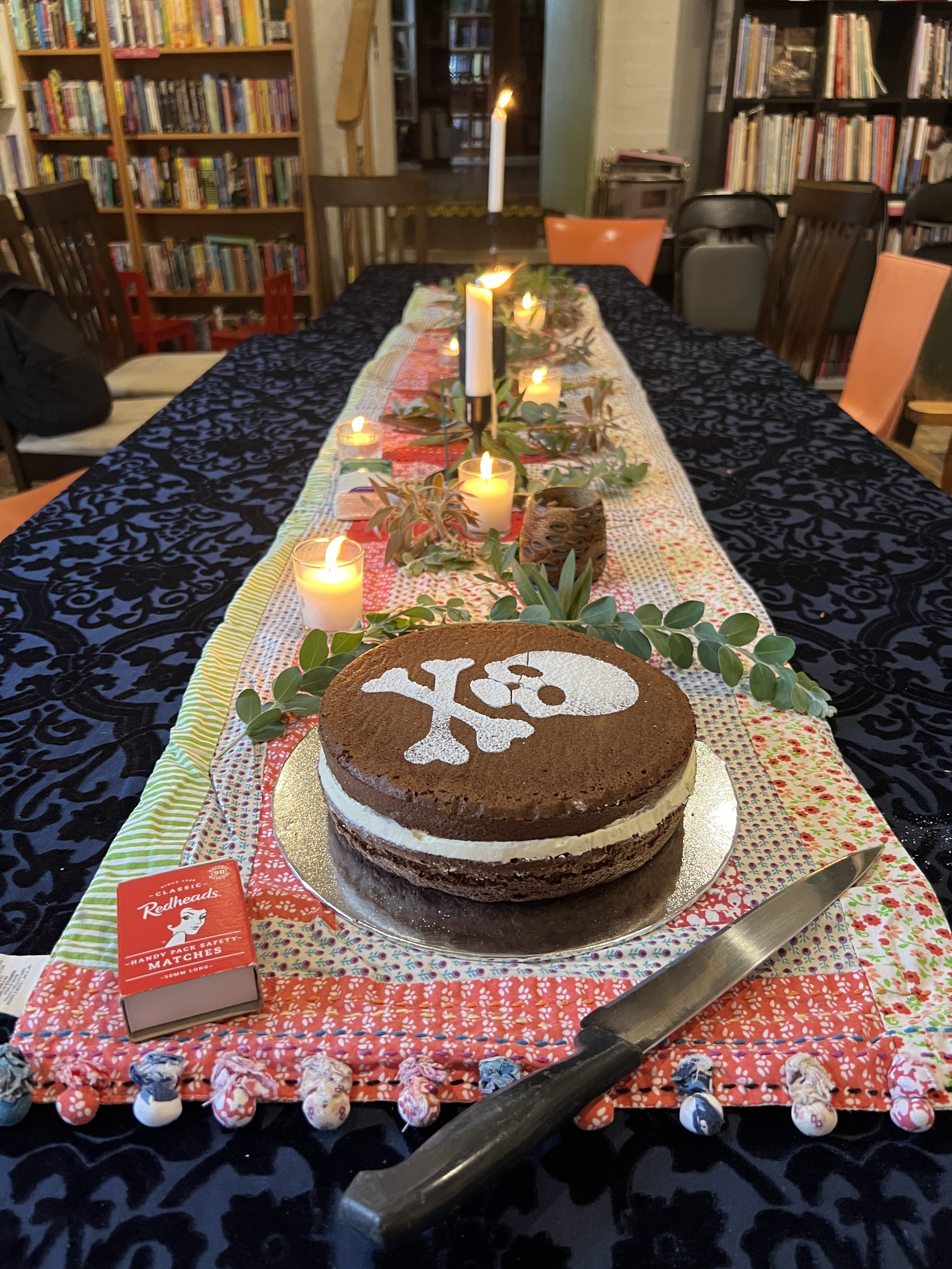
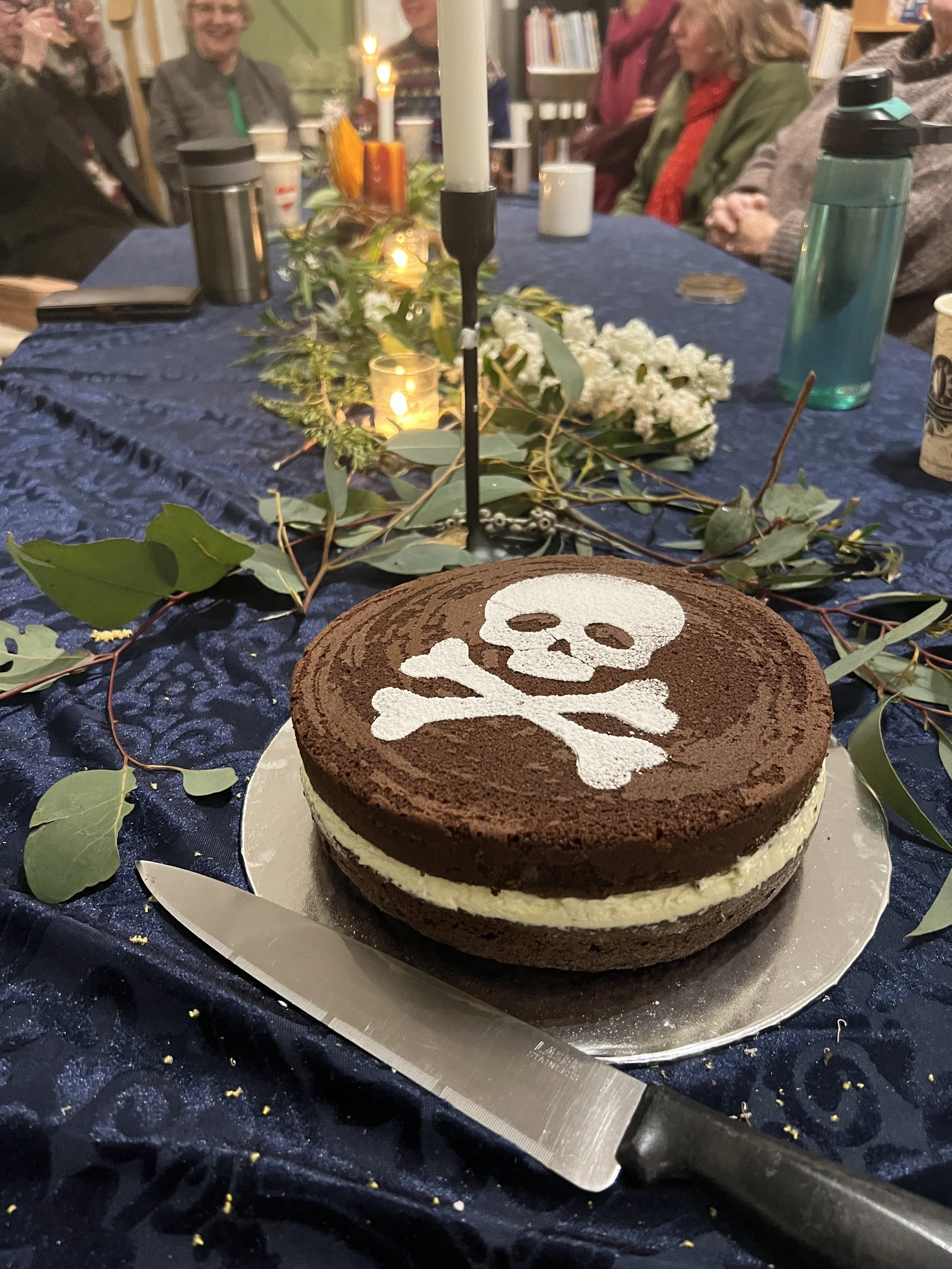
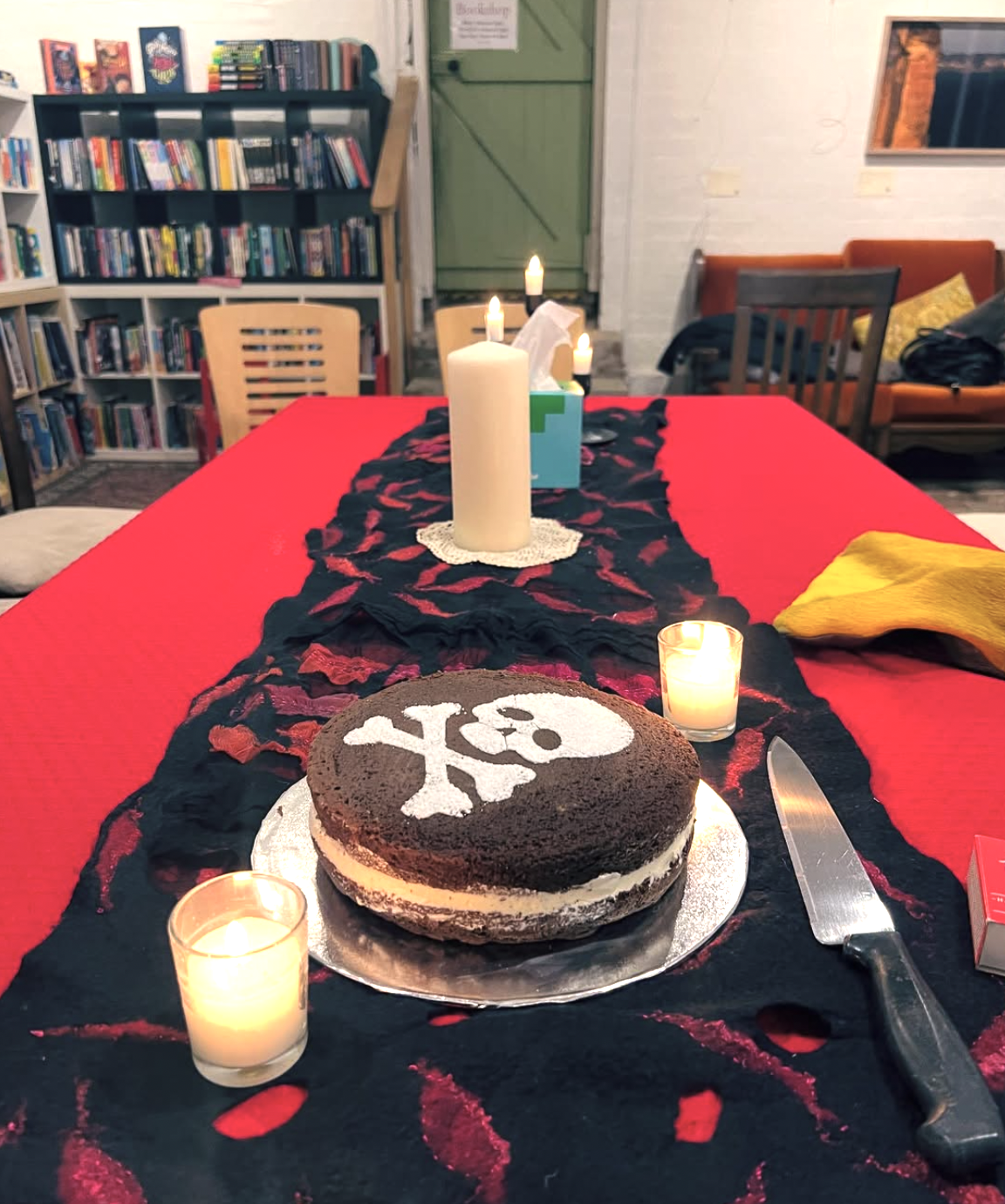
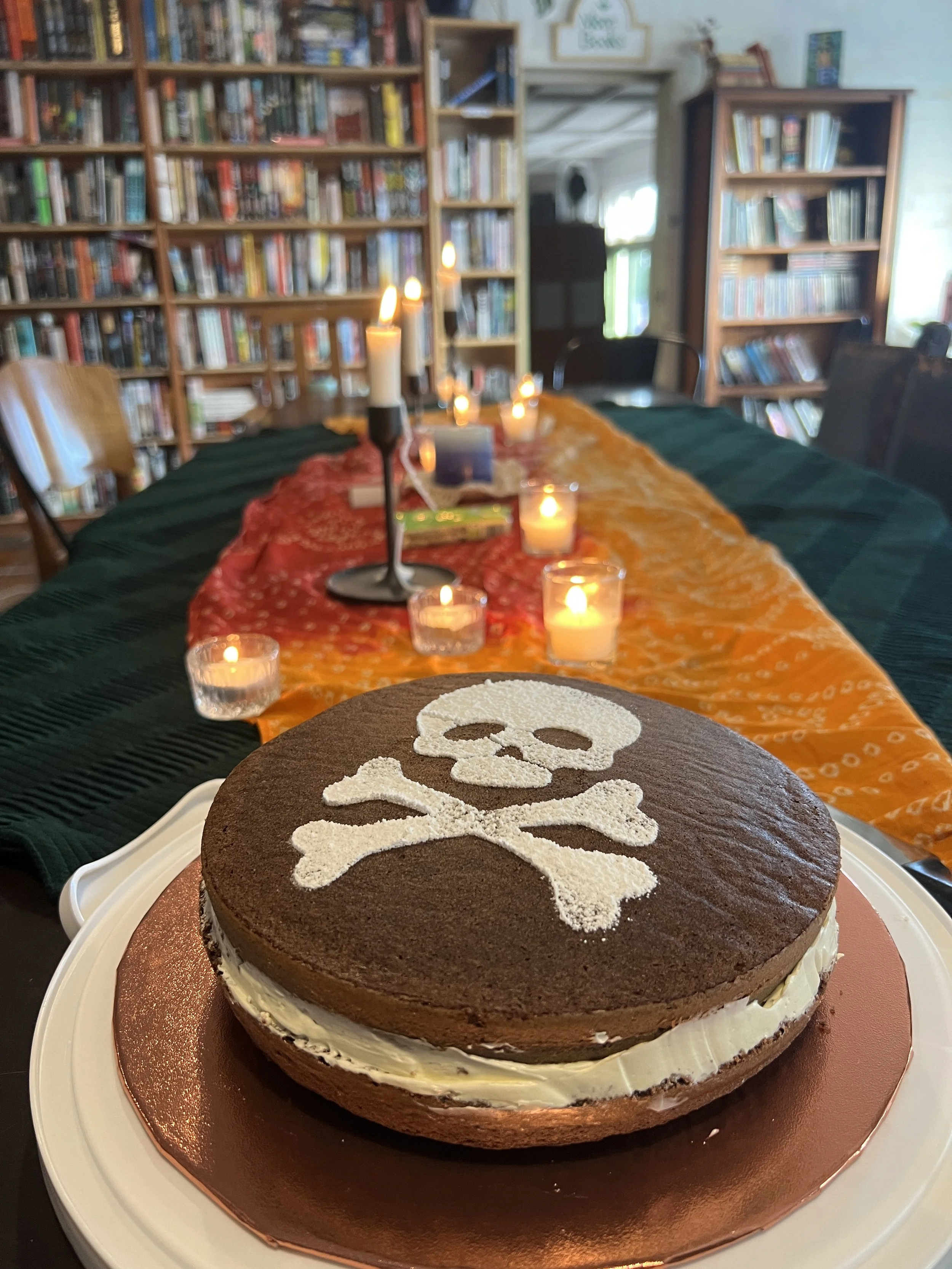
The Cake! Food is comfort. Sharing something sweet before a big conversation is an ancient act of care. The cake is not decoration - it's part of the ritual.
Find Your Room: Libraries, cafes, bookshops, neighbourhood centres, community halls - even a big lounge room. The space should feel warm, accessible and ordinary.
Small Group Sweet-spot: The sweet spot is 12 - 15 people Ticket your (free) event via Humanitix or Eventbrite - and overbook slightly. There are always a couple of no-shows.
Open With Care: I find this flow works well:
Acknowledgement of Country > Acknowledge Jon Underwood > then some gentle agreements:
no advice-giving, no subtle advertising, no converting beliefs — all philosophies welcome, speak from your own experience.Ask the Right Question: I find it helpful to open with: “What brings you here today?” It doesn't assume anything. It invites first-timers and regulars alike to check in with what is alive - or dying - in them right now.
Make Room for the Quiet Ones: Gently create openings for quieter voices. Try: “Let’s make some space for the voices we haven’t heard yet.” Some of the most beautiful things said in a Death Café come from someone who almost didn't speak.
Tell Your Community: Local Facebook groups, neighbourhood apps, library and bookshop noticeboards, local newspapers, community radio, and deathcafe.com. Word of mouth is still the most powerful thing
Get Out of the Way: You don’t need answers. You don’t need to be an expert. Your job is to hold the space, not fill it. Trust the people in the room. The conversation will find its own shape. It always does.
You don’t need permission. You just need cake and a willingness to begin.
You got this. x
What is a Death Café?
A Death Café is a welcoming, agenda-free community gathering where people come together to talk about death and dying in a safe, respectful space - over cake and tea. There are no guest speakers, no set topics, no therapy or advice-giving. Instead, there is open dialogue. Every voice is valued. Every perspective is welcome.
A Death Café is not a grief support group or counselling session. It’s simply an invitation to explore life’s big questions, to listen deeply, to speak honestly - and to do so in good company, over delicious home-made cake. To keep the conversation spacious, thoughtful and personal, each session is limited to fifteen participants. This ensures everyone has room to speak - or simply to listen. While attendance is free, places are limited, so booking ahead is essential.
Curious? Join us…
Where it all began…
A global movement, held locally
The Death Café movement began in London in 2011, founded by Jon Underwood, inspired by the work of Swiss sociologist Bernard Crettaz. Jon imagined a non-judgemental space where people could talk openly about death - not to be fixed or taught, but simply witnessed - with tea and cake as quiet companions.
Since then, Death Cafés have been held all over the world: in homes, libraries, community halls and bookshops — including right here at RoseyRavelston Books in the Blue Mountains.
These gatherings don’t aim to push an agenda or change minds. Instead, they offer something gentler and just as powerful: connection. The simple, radical act of naming what is often left unsaid.
Testimonials & Encouragement
“Having attended Death Cafes facilitated by Amy, I have been genuinely moved by her unique ability to hold a warm and safe space where people feel truly comfortable exploring conversations around death, dying, and bereavement. Amy has a beautiful gift for bringing together people from all walks of life, and her heartfelt passion and natural talent for this deeply meaningful work shines through in everything she does.”
- Annette
"I keep returning to the Blue Mountains Death Café because of the connection, humanity and vulnerability that is shared within the space. I appreciate how Amy creates an open, gentle and tender space for us to share our stories and truths, and to be deeply heard when doing so. I am utterly grateful for what the Blue Mountains Death Café gives to me and the community."
- Samantha
"I resonate with Amy's Death Cafe so much that I travel from Newtown (Sydney) to Lawson (Blue Mountains) to attend. Amy provides a welcoming, caring, and grounding space to share thoughts and experiences on death (and life) that are often left unspoken."
- Bowen
“Amy's Death Cafe get-togethers are a brave and important innovation here in Australia: a chance for people to confront and talk about many issues relating to death - their own and that of others. As she often says, "Grief is welcome here". Right from the start, I could sense that Amy was sincere, supportive and warm. She would "hold the space" with sensitivity and compassion, and she continues to do so.”
- J.A.
“Discussing death is most transformative and life changing when we share from a place of honesty and vulnerability. Amy is wonderful in creating a safe and inclusive space to enable this to unfold.”
- Julie
“Amy brings together a rare and beautiful combination of deep knowledge—not only of death, but of life and what it means to be human—with the kindness and skill to gently lead you exactly where you need to go. Attending her café's has been the medicine I didn’t know I needed. It has helped me peel back many layers and decades of grief. Amy invited me to see and experience loss and grief differently, to welcome them into myself rather than avoiding them. I feel more complete, lighter, and freer as a result. In these deeply personal yet open to all gatherings, the lost art of embracing death is being carefully rejuvenated. With death being one of the few certainties in life, I hope many more people have the opportunity to benefit from of coming together and relearning how to support one another in what ever way we experience or prepare for it.”
- Chrissy
“Amy is simply extraordinary. When I went to my first Death cafe, I was stunned by her poise, her care, and her ability to hold space for 12 individuals in various stages of grief and curiosity. There is truly something special about her - I feel so fortunate to be able to be part of the Death cafe and all that she brings to it.”
- Gill
Quisque iaculis facilisis lacinia. Mauris euismod pellentesque tellus sit amet mollis.